


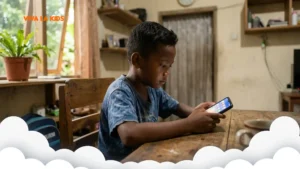
Minimum Age for Social Media: Here’s Why Kids Need Limits – It seems like everyone has a social media account these days. From those who just scroll for fun to those who actively create content every day.
But an important question arises: when is actually the right time to start using social media? This is where the topic of age limits for social media becomes essential to understand. It’s not just a rule, but a form of protection that’s often overlooked—yet it has a massive impact on a child’s development.
Why Are Age Restrictions on Social Media Important?
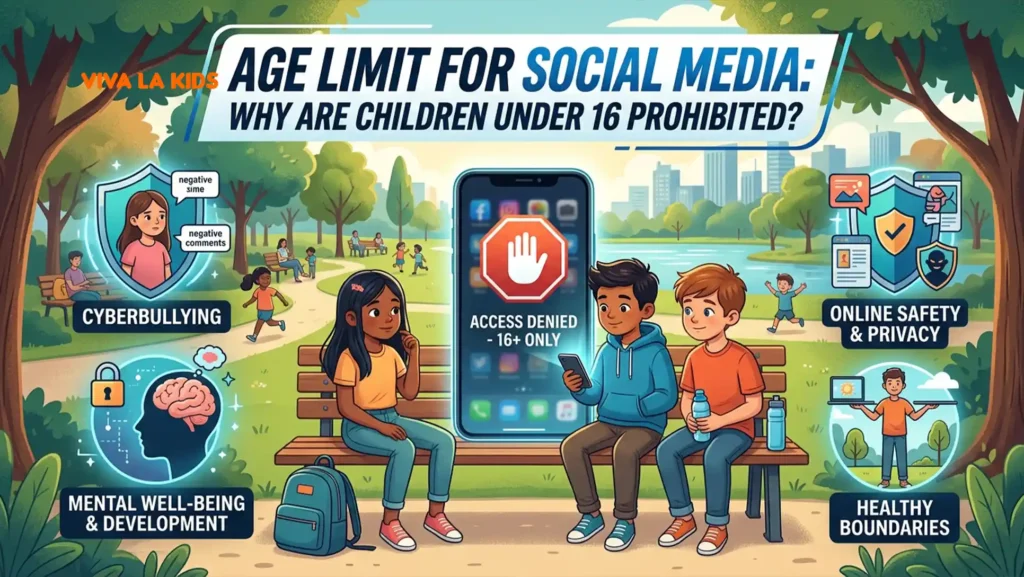
Social media isn’t just a source of entertainment; it’s also a complex digital public space. Children under 16 are generally still in the process of developing their emotions and ways of thinking.
They tend not to be ready to handle social pressure, negative comments, or even the lifestyle standards often showcased on social media.
As a result, it’s not just a matter of wasted time, but it can also affect mental health. Additionally, social media algorithms often display content without clear filters. Consequently, children can easily be exposed to material that is not age-appropriate.
Why Children Under 16 Are Prohibited from Using Social Media
Now that we understand the importance of this, let’s discuss why these social media age restrictions were introduced. It wasn’t without reason, you know. It was due to the following factors:
1. Risk of Digital Addiction
Children are more vulnerable to addiction because their self-control is not yet fully developed. Once they get used to scrolling, it can be hard to stop. This disrupts their study time, sleep, and even social interactions.
2. Exposure to Inappropriate Content
On social media, content appears rapidly and in a wide variety. It ranges from violence and misinformation to lifestyles that may not be healthy. Without guidance, children may misinterpret what they see.
3. The Threat of Cyberbullying
Digital bullying is a real threat. Malicious comments, body shaming, or taunts can have a significant impact. Children who aren’t mentally prepared may experience stress or even trauma.
4. Risk of Online Scams
Many scams target young users. Children often cannot distinguish between what is safe and what is dangerous.
5. Impact on Mental Health
Social comparison on social media often makes children feel insecure. They see others’ seemingly perfect lives and start comparing themselves.
Government Policy on Age Restrictions for Social Media Use
The Indonesian government has already begun to take this matter seriously. Through Government Regulation No. 17 of 2025, access to social media for children under 16 has been restricted. The goal is not to ban technology, but to ensure that children are mentally prepared.
Therefore, children are still allowed to use the internet for learning, but access to high-risk platforms such as social media is limited.
This policy is also supported by many education experts and psychologists. They agree that 16-year-olds are considered better prepared to navigate the dynamics of the digital world.
The Role of Parents and the Environment
Age restrictions on social media won’t be effective without parental involvement. In fact, many children are still able to access social media due to a lack of supervision. Parents need to set a good example when it comes to using technology.
If parents spend too much time on their devices, children will follow suit. So, it’s absolutely essential to create a healthy digital environment at home. Schools also play a crucial role. Education on digital literacy should be provided from an early age so that children are better prepared to navigate the online world.
Age Restrictions on Social Media Are Not a Ban, but a Form of Protection
Setting age limits for social media isn’t about restricting children’s freedom. On the contrary, it’s a form of protection to help them grow up healthier, both mentally and socially.
If you, as a parent, want to give your child the best, it’s crucial to start paying attention to this now. You don’t have to go to extremes right away—just start with small, consistent steps.
Additionally, you can support your child’s growth and development in a more positive way, for example through educational products and creative activities from Viva La Kids. They offer a variety of options that can help children thrive without relying on gadgets.
Read Also: Cara Mudah Orang tua Mengatur Waktu Bermain HP Si Buah Hati
You can check out vivalakidsworld.com for more fun and meaningful activity ideas. So, let’s start approaching the digital world more wisely. After all, age restrictions for social media aren’t just rules—they’re an investment in a better future for your child.