




Anxiety Plagues Children: Here’s How to Deal With It – It is important for parents to recognize and understand anxiety issues in children.
This is a serious problem that requires immediate action to prevent it.
The American Psychiatric Association, in the Diagnostic and Statistical Manual of Mental Disorders (2013), states that there are various types of mental disorders characterized by anxiety. One example is separation anxiety disorder.
On one hand, anxiety can protect someone from potential dangers. On the other hand, anxiety can also become a mental disorder.
So, how can parents distinguish between anxiety that is still considered normal and anxiety that is already unhealthy?
According to Nolen-Hoeksema (2011), in modern psychology, anxiety is considered unhealthy when it begins to interfere with our daily functioning or causes us to feel overwhelmed.
Parents should be aware that anxiety does not arise solely from genetic factors.
It also stems from the parenting style parents use with their children and the interactions between parents and their child.
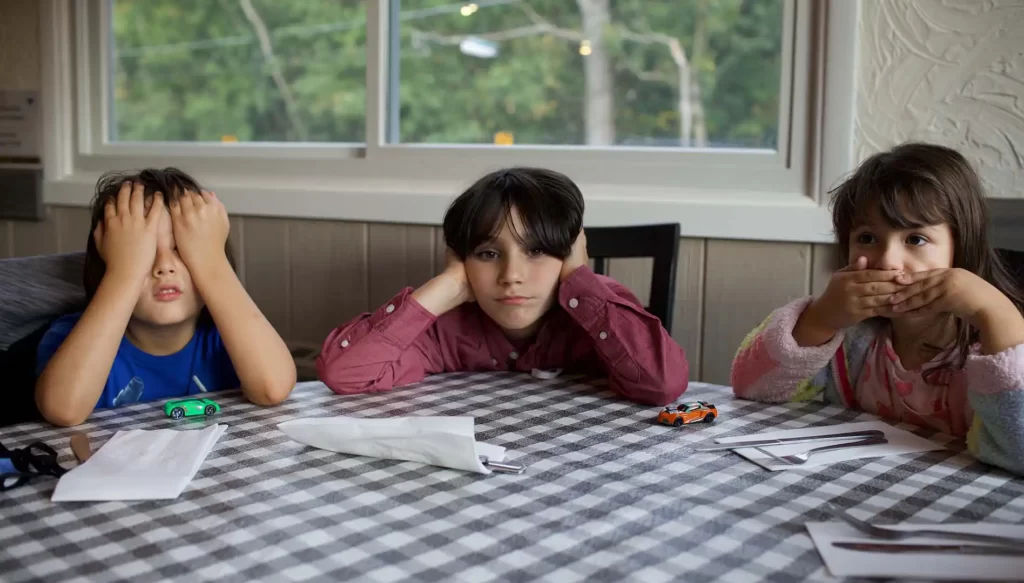
How Parents Can Help Ease Their Child’s Anxiety
Once parents have recognized and understood the nature of anxiety, it is important to take steps to prevent it. Here are the steps:
Recognizing That Anxiety Itself
The first step parents can take is to recognize that the anxiety they experience can cause their children to become anxious as well through their parenting style.
When feeling anxious, parents need to be kind to themselves. Allow yourself time to feel anxious; let the anxiety linger in your mind for a moment.
It is important for us all to recognize that parents are the primary agents capable of preventing and addressing anxiety in children.
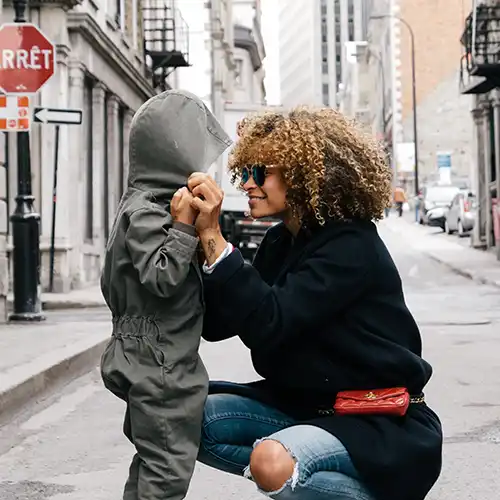
By allowing that anxiety to be present in their minds, parents actually have the opportunity to manage it. It is not the anxiety that controls the parents.
Keep It Simple
When a child is feeling anxious, parents won’t be able to calm them down if the parents themselves are also feeling anxious.
There are several techniques we can use to temporarily alleviate anxiety in a short amount of time.
One such method is learning stress management techniques. These include progressive relaxation and breathing exercises.
These techniques have been proven to temporarily relieve stress. Progressive relaxation involves tensing certain muscles in the body and then releasing them.
Then, feel the difference between the tense muscles and the relaxed ones.
Social Support
There is no requirement that you must tackle your child’s anxiety on your own. It’s important to seek social support to manage that anxiety, which can be found among those around you.
For example, by sharing your story with your partner, friends, or parents—even online.
Parents can exchange ideas or share tips so they no longer have to feel alone in dealing with anxiety.
During childhood, children have a strong tendency to imitate their parents’ behavior.
Parents can use this opportunity to teach their children stress management or how to think rationally (Katz, n.d.).
Read Also: Is Separation Anxiety in Children Dangerous?
Ajari Anak Berpikir Rasional
It takes patience to support a child and help them overcome anxiety. For example, a child might feel scared about attending a friend’s birthday party because they’re afraid of being around a crowd.
In such situations, parents should try to encourage their child and offer words of encouragement to help them be braver.
Use this opportunity to help the child think rationally through discussion, listen to how afraid the child is, and teach them how to overcome the problem.
Parents need to pay attention to their facial expressions, choice of words, and tone of voice when calming a child who is anxious.
Read Also: Tiger Parenting, a Parenting Method from China That Has Sparked Controversy
Anxiety in children is easily passed down from parents, particularly through unhealthy parenting styles.
We hope the information provided above will help parents manage their children’s anxiety.
No Comment! Be the first one.