




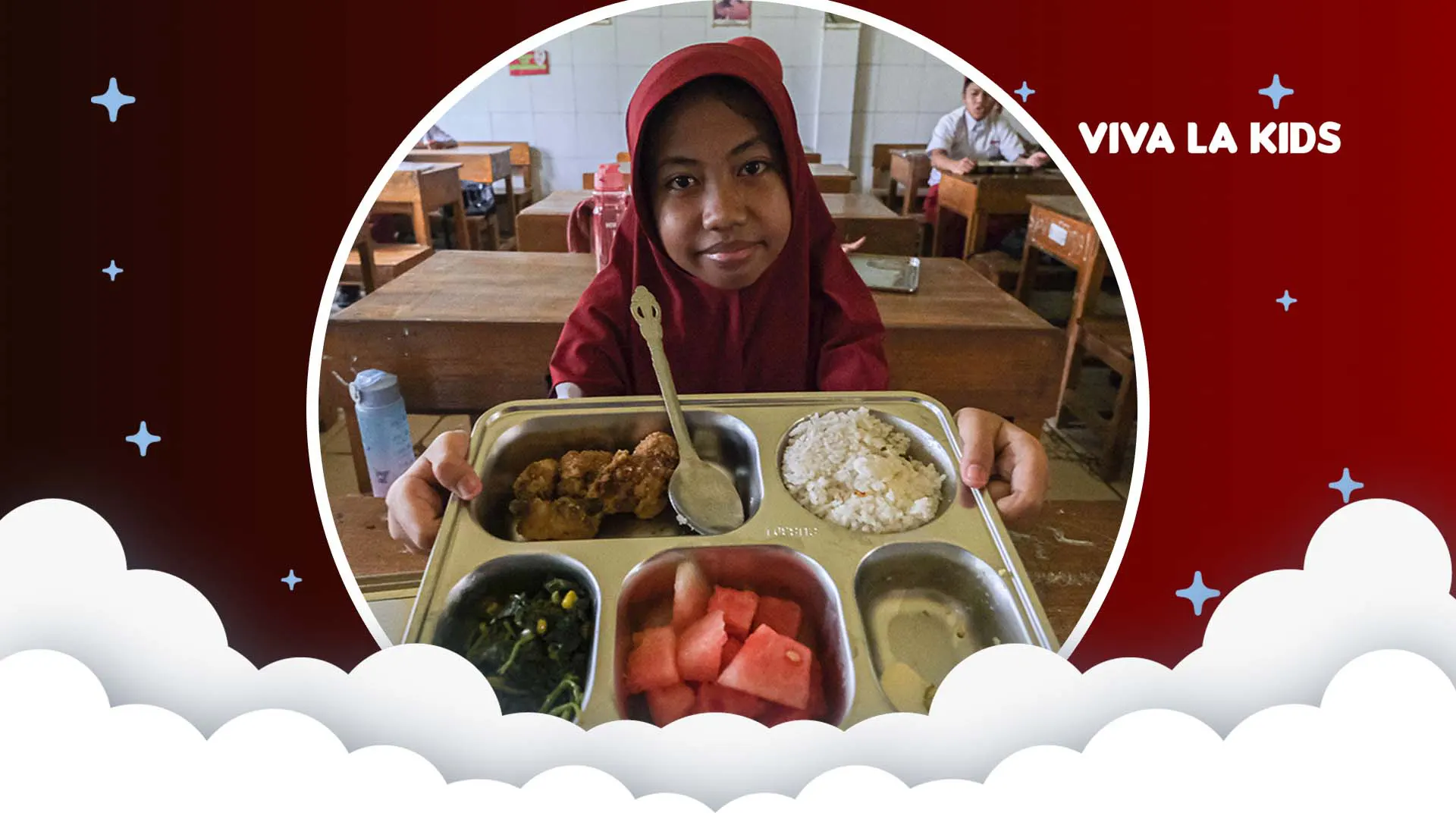
Free Nutritious Meals Program (MBG) in Indonesia: Does it Meet Children’s Nutritional Needs? – It wasn’t just their charming personalities that got Prabowo and Gibran elected as Indonesia’s new president and vice president. One of the flagship programs that made this pair popular with the public was MBG, or Free Nutritious Meals.
The question is, does this free meal program really meet children’s nutritional needs?
Understanding the Background of the MBG Program
The MBG program was launched, among other things, to combat the phenomenon of stunting. Based on the latest data from the Indonesian Nutrition Status Survey (SSGI), the stunting rate in this country is still high, at 21.6%.
In some areas, such as Papua, there have been repeated incidents of starvation that have caused the deaths of some residents.
Stunting itself cannot be interpreted simply as a phenomenon of individuals with short stature.
The WHO explains that children who experience stunting will fail to reach their full physical and cognitive potential.
A literature review entitled The Impact of Stunting on Children’s Cognitive Abilities also shows a link between stunting and low intellectual capacity.
It was this situation that led to the creation of the MBG program. President Prabowo himself, in his statement, expressed his confidence that MBG could combat stunting, even though the effects would only be felt years later.
Understanding the Concept of Adequate Nutrition for Children
Ensuring that children get adequate nutrition so that they do not experience stunting is not an easy task. Children need complete nutrition from various essential nutrients such as protein, carbohydrates, healthy fats, vitamins, and minerals.
Foods containing these nutrients must also be provided in a balanced manner.
Without an ideal balance, children can experience various problems, including obesity due to excessive carbohydrate intake.
Are Children Getting Enough Nutrition from the Free Lunch Program?
Despite its excellent vision, MBG still has some shortcomings here and there. Here are some problems with the implementation of the MBG program.
1. MGB Partners May Not Understand Nutrition
Food providers in this program involve various parties, ranging from local caterers to small and medium enterprises.
Not all business owners have sufficient understanding of good nutritional standards, which makes the effectiveness of this program less than convincing.
2. The milk given is still sweetened condensed milk.
It is often seen that children are given sweetened condensed milk instead of UHT milk. However, sweetened condensed milk is only a flavored drink with very little pure milk content.
Instead of improving children’s nutrition, this program could actually increase health risks for them.
3. Too Little Vegetables and Side Dishes
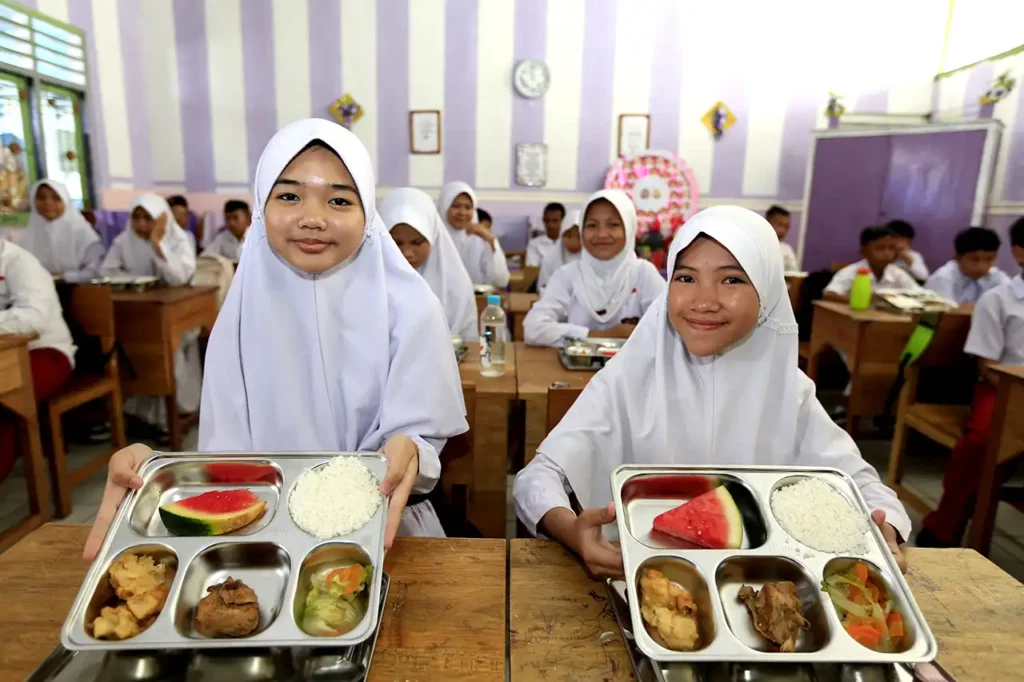
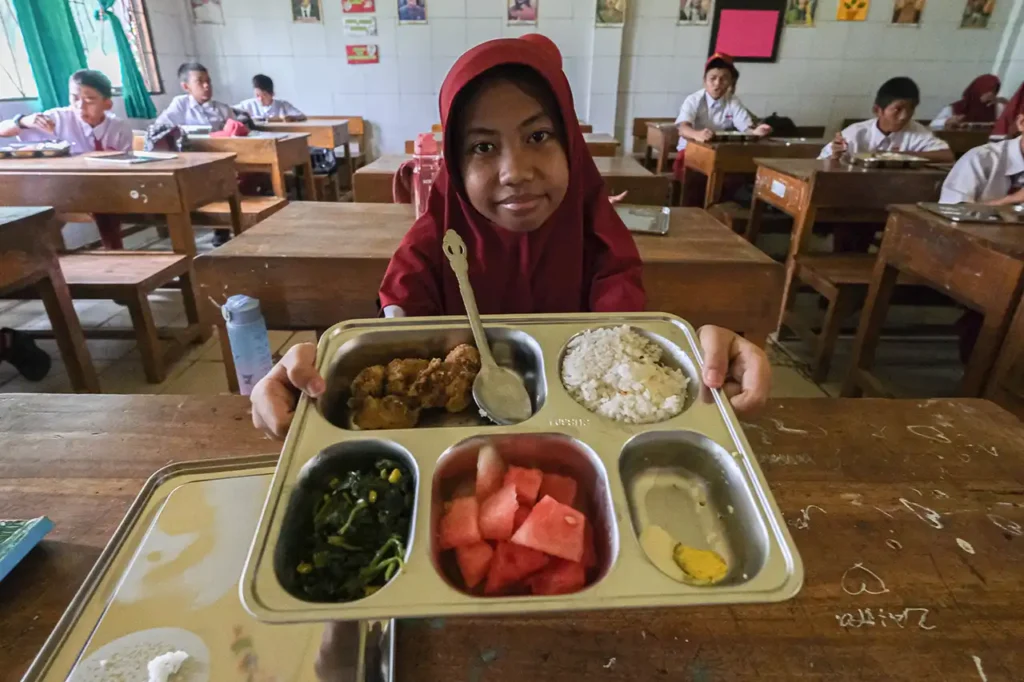
In several MBG photo posts, the portions of vegetables and side dishes appear to be too small.
However, to ensure that children receive adequate nutrition from this free lunch program, it is precisely these two components that should be increased.
4. Insufficient Budget
The MBG program requires a large budget to ensure that every child receives quality food.
However, the available funds are very limited. Indonesia is also working on various megaprojects that drain the budget, such as the construction of the new capital city.
5. Not Targeted
Not all children in Indonesia are vulnerable to stunting. Those from upper-middle-class families generally receive adequate nutrition from their parents at home.
Meanwhile, for children who are vulnerable to stunting, providing MBG once a day may not necessarily be effective in preventing malnutrition.
The government should focus on targeting poor families who are indeed vulnerable to stunting, rather than providing free lunch for all children in Indonesia.
Read Also: End Corruption at Its Roots: Anti-Corruption Education for Children
So Here’s the Conclusion
MBG is a flagship program of President Prabowo Subianto and his deputy Gibran Rakabuming Raka.
As stated by the president, the program aims to eradicate stunting in order to realize the vision of Indonesia Emas 2045. Despite its noble goals, the program still has some shortcomings in its implementation. So, should the program be abandoned? Of course not.
However, the government must address these shortcomings to ensure that children’s nutritional needs are adequately met through the free lunch program.
No Comment! Be the first one.