




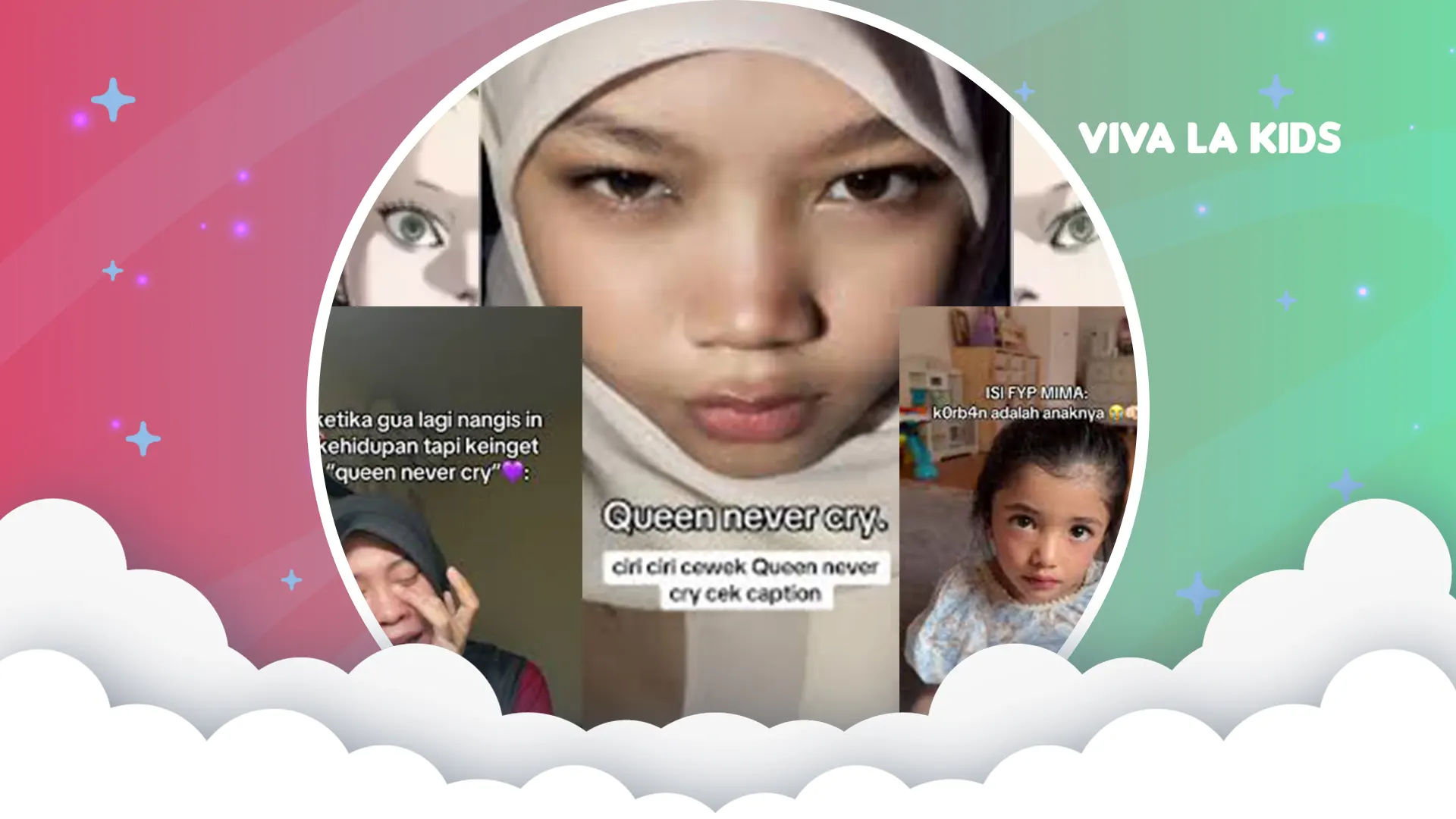
The ‘Queen Never Cry’ Meme: Psychological Impact on Children – This meme is going viral on social media. In fact, many celebrities, especially K-Pop idols, have already incorporated this soundbite and meme into their content.
Given that many internet users often take information at face value, this seemingly ordinary meme actually warrants special attention.
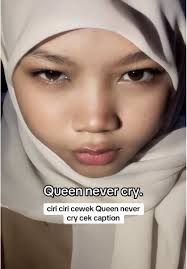

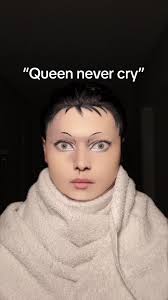
The Viral “Queen Never Cry” Meme Has an Impact on Children
Parents should start considering the psychological impact, especially if they have children who are already familiar with the internet and social media. So, what are the effects of the “Queen Never Cry” meme on children?
Here are some of them:
1. Unaccustomed to Expressing Emotions Appropriately
As you may already know, this meme comes from a Webtoon titled The Ki Sisters. The phrase “Queen Never Cry” itself was spoken by a nurse trying to calm a crying baby.
Surprisingly, the baby actually stopped crying and showed a blank expression. Even as an adult, the character retains that expressionless face.
This is also what happens when children are exposed to the “Queen Never Cry” philosophy. As a result, children are unable to process their emotions or express their sadness.
2. More Prone to Outbursts
A child who follows the “Queen Never Cry” principle—whether out of their own choice or at their parents’ urging—will be prone to emotional outbursts. Instead of crying, they’ll be more likely to express their emotions by throwing tantrums.
We can see this reflected in the character’s expression in the “Queen Never Cry” meme. Bumbae, the creator, appears to have intentionally given the character an angry expression, characterized by raised eyebrows.
3. Tends to be quiet
Although they may be more prone to outbursts of anger, children who grow up under the principle that “queen never cry” generally tend to be quiet.
This is because he assumes that his feelings aren’t important, so he chooses to rarely talk about anything.
4. Not Very Sociable
In addition to being quiet, habits such as following the “Queen Never Cry” approach or forbidding children from crying can make it difficult for them to socialize. This can result from low self-confidence, a lack of concern for others, and difficulty empathizing.
5. Venting Emotions Through Violence
Another consequence of parenting styles where parents frequently tell their children not to cry is that it can impair their natural emotional regulation.
As a result, when they’re emotional, the way they vent their feelings often puts themselves and those around them at risk—whether by hurting others or themselves, or by damaging property.
The comments above highlight the impact this viral meme has had on children. In short, even though this meme may seem entertaining and appealing for netizens to share, it’s best to avoid applying it in real life.
Read Also: The “Queen Never Cry” Meme Is Going Viral—What Impact Does It Have on Children?
It’s perfectly fine to tell a child not to cry by saying, “Queens never cry.”
However, avoid doing this too often, as crying is natural and important for both physical and mental well-being.
No Comment! Be the first one.