





Teaching Children Proper Etiquette Toward Their Parents – Children are still in the process of growing and developing.
That is why, as parents, you need to teach them proper manners, etiquette, and respect.
By teaching children the right manners and etiquette toward their parents, they can grow up to be good people.
They will speak politely, be humble, and become responsible individuals.
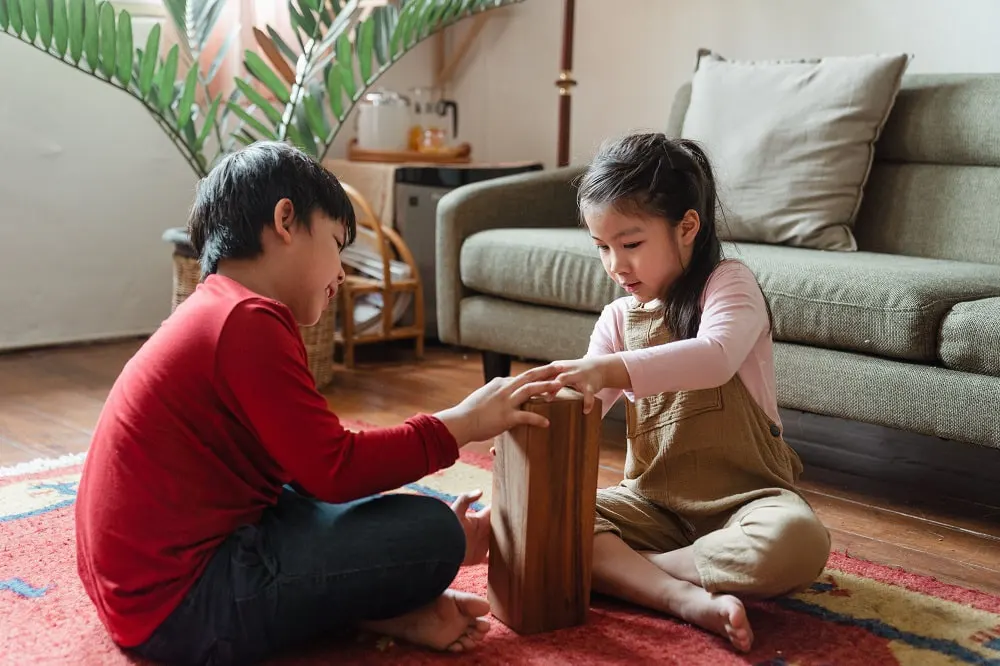
23 Lessons on Children’s Manners and Etiquette Toward Parents
To help your child become that kind of person, you can start with small, simple things. For example, you can encourage your child to practice the twenty-three actions listed below.
1. Making a Habit of Saying Thank You
Gratitude is an important value that should be instilled from an early age. One way to teach children good manners toward their parents is by encouraging them to say thank you to people who have been kind to them.
2. Start with the word “Please”
Be careful, Mom… don’t let your child become bossy. No matter who they’re dealing with, your child should always be respectful.
For example, by saying “Please” when asking for help from others, whether it’s their parents or their friends.
3. Get into the habit of saying “Excuse me” when passing by others
Another thing you can do to teach your child proper manners and etiquette toward parents is to guide them when they pass by others or are about to do something.
Set an example for your child by saying “excuse me.” By teaching them this as often as possible, they will eventually get used to following this habit.
4. Promoting a Culture of Queuing
The culture of waiting in line is still rare in Indonesia. Have you ever seen adults out there who still don’t understand the concept of waiting in line? It’s frustrating, isn’t it?
That’s why it’s important for parents to teach their children to wait in line from an early age. This way, it won’t become a bad habit that inconveniences others.
5. Don’t comment on Physical Appearance
Every one of God’s creations is perfect. Teach your child to understand that physical imperfections in people are not something to be commented on.
Children tend to be very honest in what they say, so they may say things that hurt others.
By teaching them not to comment on other people’s physical appearance, children will become more careful in their judgments.
6. Introducing yourself properly
Communication is the foundation of social interaction. Before a child enters the wider social sphere of society,
parents can teach their child how to introduce themselves properly. Help them feel more confident when doing so.
7. Teaching children not to use profanity
Explain to your child that using bad language is wrong. That way, even if their friends do it, your child won’t follow suit.
8. Saying and responding to greetings
Teach your child to greet others and respond to greetings. Greetings can be tailored to the family’s religious beliefs and ethnic culture.
9. Knock on the door before entering the room
Make sure your child doesn’t just barge into other people’s rooms. Teach them to always knock on the door first.
10. Maintaining Personal Hygiene
Teach your child the importance of good health. Get them into the habit of washing their hands regularly and covering their mouth when they sneeze.
11. Pray before doing anything
Gradually, get your child into the habit of praying before doing an activity. For example, before eating, going to bed, and leaving for school.
12. Taking Off Your Shoes
Always teach your child to take off their shoes in certain places. Make sure your child doesn’t wear their sandals or shoes at a friend’s house or at the mosque.
13. Helping Others in Need
Cultivate empathy in children from an early age. Teach them to be more sensitive and willing to help those in need.
14. Be Kind to Animals
Don’t let your child be cruel to animals. Teach them and set an example that people should treat animals kindly.
15. Do Not Damage Other People’s Property
15. Do Not Damage Other People’s Property
16. Returning Borrowed Items in Good Condition
When your child borrows something, make sure they return it in good condition. They should also return it on time.
17. Don’t Show Off
Even if your child is intelligent or comes from a wealthy family, raise them to be humble. Don’t let them grow up to be boastful and arrogant.
18. Eat with Good Manners
Teach your child to eat quietly and neatly. Also teach them how to use utensils properly.
19. Offering food when eating together
While your child is eating, encourage them to offer food to others. You can also model this behavior so your child knows what to do.
20. Do Not Insult Your Parents
It’s not uncommon for children to tease their friends by using their parents’ names. This is rude, and you should reprimand them.
21. Apologize When You’re Wrong
Don’t raise your child to be someone who always thinks they’re right. Teach them to apologize when they make a mistake.
22. Taking Responsibility for Mistakes
In addition to apologizing, teach your child to take responsibility for their mistakes. Don’t let them simply run away from their responsibilities.
23. Don’t Ask Your Parents for Money
Instead, don’t teach your child to ask older relatives for money. They should learn to exercise self-control and be grateful for what they have.
Read Also: 5 Tips for Dealing with Common Early Childhood Issues
Here are 23 lessons on ethics, manners, and respect that parents can teach their children. We hope you find this information helpful!
No Comment! Be the first one.