




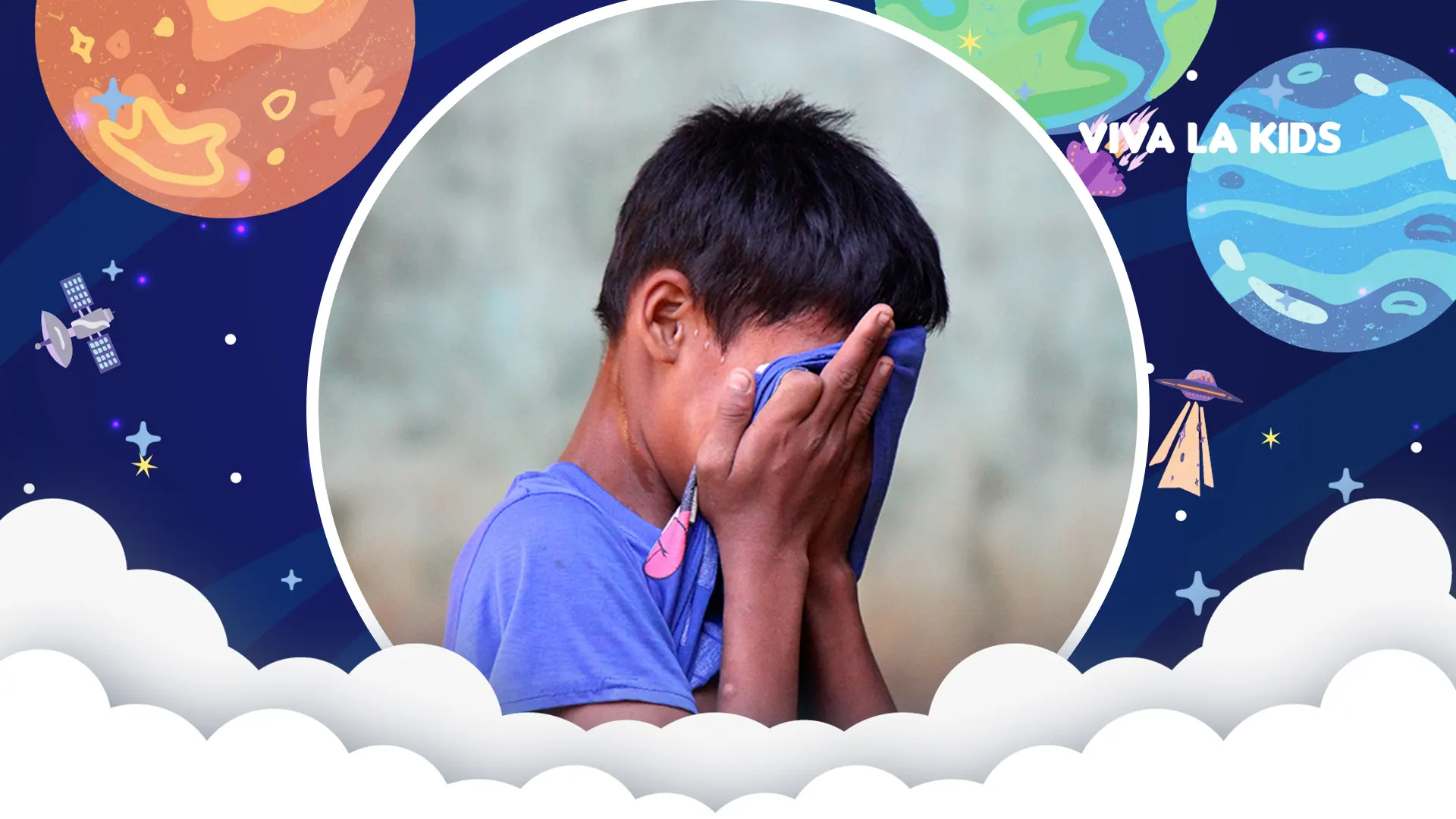
Analyzing the Effects of Tiger Parenting on Children’s Emotional Well-being – A study shows that children with high EQ can adapt well to their social environment.
The American Journal of Public Health highlights the importance of EQ in shaping a better future for children. Additionally, children with higher EQ skills
have a lower risk of experiencing depression and anxiety, which can be a precipice of misery in a child’s life.
Parental attention to a child’s emotional development is reflected, in part, in the application of parenting styles.
Amy Chua, a professor at Yale University, describes the “tiger parenting” style in her book *Battle Hymn of the Tiger Mother*.
Tiger Parenting is a Chinese parenting style rooted in the ideologies of guan and jiaoxun.
Literally, guan means “to govern” and jiaoxun means “to discipline.”
The tiger parenting style that Amy Chua applied to her children is certainly an interesting topic of discussion in this context.

Tiger Parenting, Tiger Mom
Amy Chua refers to a strict and demanding mother with high expectations for her children’s academic success.
Tiger Parenting represents a harsh parenting style that emphasizes strict discipline and makes academic excellence a non-negotiable requirement.
Baca Juga : Tiger Parenting, Metode Pola Asuh dari China yang jadi Kontroversi
The demands of “tiger moms” have become the norm, with little regard for the psychological and emotional impact of those demands. They believe that this is what’s best for their children’s future.
Factors That Influence Children’s Emotions
A child’s emotions are certainly a key concern in parenting.
There are at least four factors that can influence a child’s emotional development that you should be aware of:
Individual Circumstances – This refers to situations such as physical disabilities or impairments that can affect a child’s mental and emotional development.
These factors can also lead a child to feel insecure, easily offended, and withdrawn.
Family Environment – The family environment plays a role in socializing family values and shaping how children act and behave.
The family is the first institution to educate individuals and instill foundational emotional experiences.
The parenting styles practiced within the family environment, as experienced by children, will undoubtedly have a significant impact on their emotional development.
Peer Interactions – Children often build relationships with their peers by gathering and engaging in activities together.
Interactions within peer groups are typically intense and characterized by strong solidarity.
This also serves as a positive objective of peer interactions in fulfilling their interests.
Interactions with School – Teachers are key figures in influencing a child’s life.
As intellectual figures, teachers hold significant authority over children.
Consequently, it is not uncommon for children to trust, obey, or even fear their teachers more than their own parents.
Teachers play a strategic role in children’s emotional development by conveying positive and constructive content.
The Effects of Tiger Parenting
The “Tiger Parenting” style certainly has a significant impact on both children and parents themselves.
Ultimately, it is up to parents to choose the parenting style that best suits their children.
1. Positive Impact
Although it may sound harsh and strict, tiger parenting has positive effects for parents.
In practice, tiger parenting makes parents highly responsible for their children’s future.
This is because such parents will consider and take action on any matter to ensure a better future for their children.
These efforts typically result in children becoming more obedient and disciplined.
Parents will teach them to keep trying without giving up, especially to achieve satisfactory academic results.
2. Negative Effects
After learning about tiger parenting, its implementation will affect a child’s emotional development.
This is characterized by the child’s unhappiness because they are not allowed to play freely with their friends.
Furthermore, the child may also feel they lack autonomy over their own life.
This is because they feel that many aspects of their life are already dictated by their parents.
The worst-case scenario could occur if the child develops feelings of depression.
This is because parents in this parenting style constantly try to suppress their children by any means necessary without considering the psychological impact on their child.
Read Also: Holistic Education for a Bright Future for Children
Being patient and firm when disciplining children and helping them become independent at the right time can be a rewarding experience for parents as they raise their children.
After all, paying close attention to a child’s emotional development is essential for them to grow up well-adjusted.
No Comment! Be the first one.